
What Is the Difference Between Ramen and Ramyeon?
Decode ramen and ramyeon on menus and packaging by checking the actual product and cooking format.
Ramen vs Ramyeon: What the Names Mean in Hong Kong
Ramen usually refers to Japanese-style noodles, especially restaurant ramen; ramyeon commonly refers to Korean instant noodles. In Hong Kong shops, compare the product format and cooking instructions rather than treating the spelling as a guarantee of soup, spice or freshness. Japanese instant ramen and restaurant-served Korean ramyeon are important exceptions to the shorthand.
This page is for shoppers and diners confused by two similar words on packaging or menus. Start with ramen comparisons for the wider subject. This page answers one focused question rather than repeating every detail of that guide.
The one-line answer. Read country, format and cooking method together; the name alone is not enough.
🍜 1. The useful everyday distinction
In everyday food writing, ramen usually means the Japanese restaurant dish, while ramyeon or ramyun commonly means Korean instant noodles. this Korean food guide describes the latter as dried noodles with seasoning, including soup, stir-fry and black-bean formats. This is a convention, not a rule that every retailer follows.
A restaurant can cook instant ramyeon, and a Japanese brand can sell instant ramen. Therefore “restaurant versus packet” is useful only when qualified. The broader counterpart ramyeon versus ramen covers the reverse search journey; this page concentrates on reading the names on Hong Kong menus and shelves.
📦 2. Compare the actual format
- Packet: check whether the noodles are boiled and drained or cooked in retained soup.
- Cup or bowl: use the container’s printed instructions, not the packet method from the same brand.
- Restaurant bowl: ask whether noodles and broth are prepared separately or a packet forms the base.
- Dry or stir-fried format: a sauce-coated noodle product can be ramyeon without being a soup.
For the Korean range, start with Korean instant-noodle formats. For the Japanese dish, what ramen means explains the components. These descriptions tell you more than the spelling printed in a shop’s English catalogue.
🌶️ 3. Heat and flavour are not definitions
Korean ramyeon is often associated with chilli-forward flavours, but do not infer that every Korean product is spicy or every Japanese bowl is mild. The brand’s actual flavour description and preparation directions are stronger evidence. A creamy flavour can still contain substantial chilli heat.
Compare Shin Ramyun’s product family with Buldak’s sauced-noodle formats rather than assuming one universal Korean soup. Read instant-noodle label comparisons for nutrition questions; neither name guarantees a lower-sodium meal.
🏪 4. Choose for your Hong Kong kitchen
In a small flat, the packet’s cooking method determines the equipment you need. A soup packet may use one saucepan; a drained sauced product needs a practical way to remove water. A cup depends on its own fill line and standing instructions. Do not improvise microwave use unless the packaging permits it.
Use Hong Kong instant-noodle shopping for the wider aisle and ramen kits when you want to compare fresh noodles with packaged soup concentrates. Additions such as egg or cheese change ingredients and allergens, not the nationality of the base product.
For repeat purchases, record the precise flavour and pack type. Photographs of a black, pink or red packet are not enough when a brand also has cups, bowls and regional versions. A useful comparison states the product, serving size and method together, so another shopper can reproduce it.
What to check. English product names are inconsistent. Check ingredients, allergens and pack-specific instructions before substituting one product for another.
❓ 5. FAQ
Are ramen and ramyeon the same word? They are related names used for different culinary and retail conventions.
Is all ramyeon soup? No. Korean instant noodles also include drained and sauced formats.
Is all ramen freshly made? No. Japanese instant ramen is a separate packaged category.
Which is spicier? Compare the actual flavours; nationality or spelling does not establish heat.
what is ramen what is tonkotsu ramen ramen vs ramyeon ramen Japanese or Chinese how spicy is Buldak ramen price Hong Kong ramen storage reheat ramen narutomaki kansui
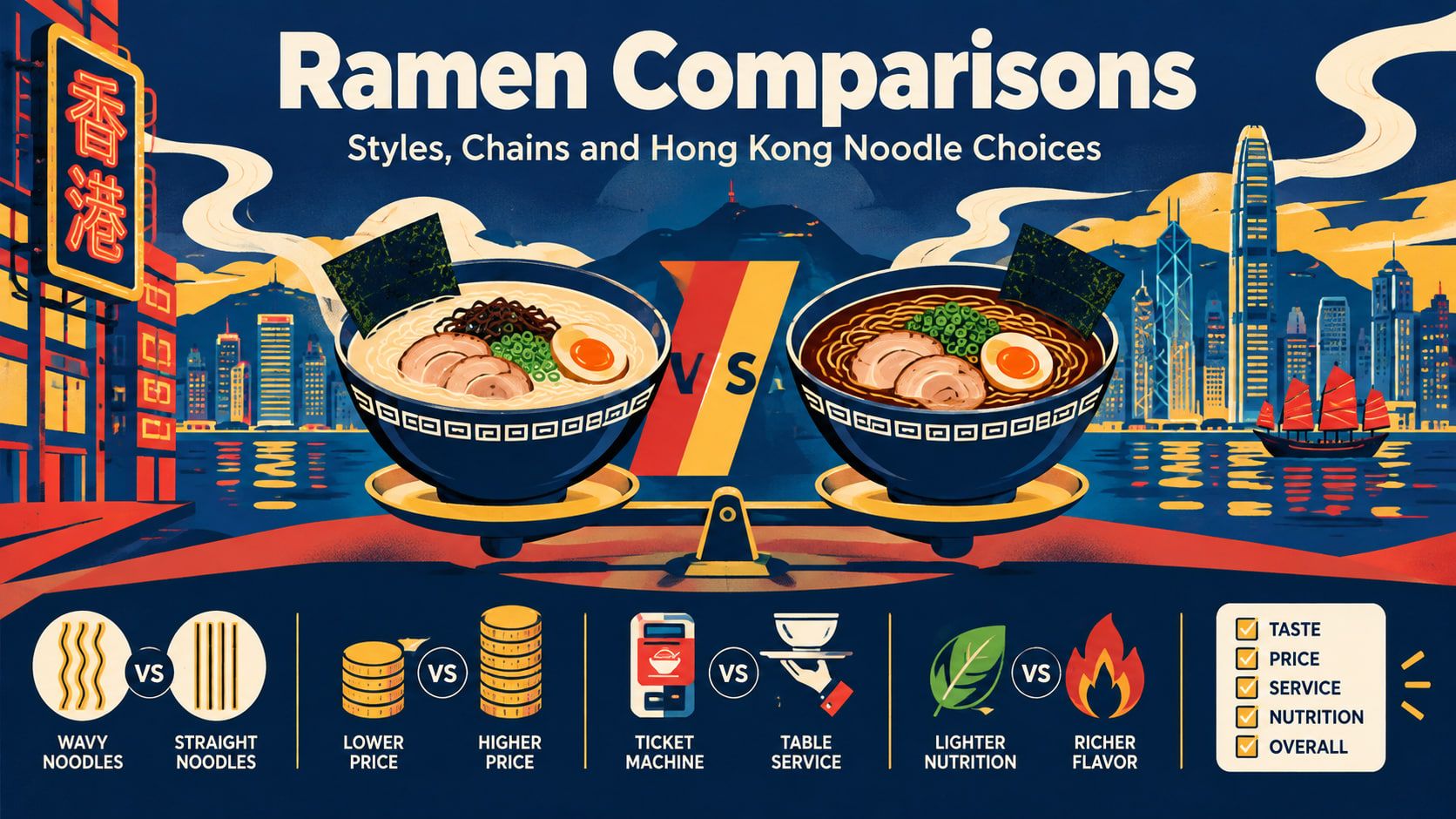
Choose with honest side-by-side trade-offs in broth, noodles, price tier, service format and nutrition—not a subjective winner.
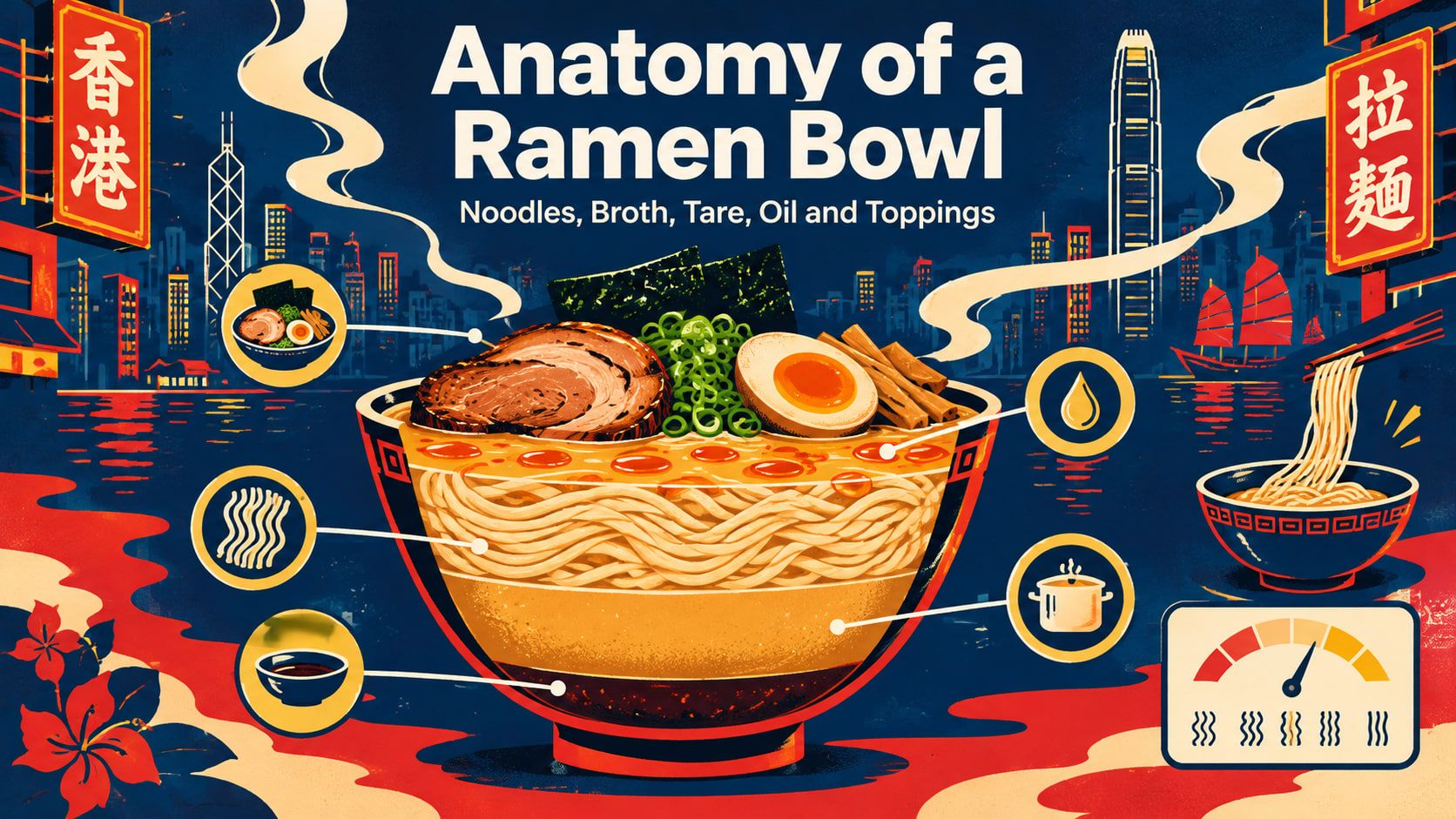
Understand the technical parts of a bowl so menu terms like chintan, paitan, kaedama and barikata become useful rather than confusing.

Follow new shops, closures, seasonal bowls and price changes through dated updates rather than stale evergreen claims.

Get the direct answer first, then follow links to the deeper guide on ingredients, culture, calories or cooking.
Compare Ichiran, Ippudo and Butao through published menus, customisation, seating and ordering logistics without a winner.
Compare ramen, udon and soba through noodle ingredients, serving formats and the dietary questions worth checking.
Compare ramen and pho through noodles, broth, toppings and eating format rather than declaring one superior.
Compare ramen and Lanzhou lamian through preparation, noodles, broth and the context behind their names.
Explore ramen and Hong Kong wonton noodles through their ingredients, serving styles and practical meal differences.
Compare ramyeon and ramen through product formats, cooking methods and what the names commonly describe.