
Ramen Etiquette: Slurping, Speed, Phones and Counter Rules
Understand ramen etiquette through queues, ordering, condiments and counter habits without unnecessary anxiety.
Ramen Etiquette: Slurping, Speed, Phones and Counter Rules
Ramen etiquette is less ceremonial than sushi etiquette: eat while hot, follow the shop's queue and ticket system, keep the counter clear and avoid blocking the next customer. Slurping is optional rather than compulsory, but eating promptly is practical because thin noodles soften and broth cools within minutes. Hong Kong diners already understand quick counter meals from cha chaan tengs, but Japanese ramen shops add their own small rituals.
This page is for Hong Kong visitors in Japan and local diners trying a counter shop for the first time. It sits under ramen culture and history and connects to why people slurp ramen for the one rule visitors usually overthink.
The ticket-and-counter rule. If there is a vending machine, buy the ticket before joining the queue unless a sign says otherwise. When your bowl arrives, eat first, photograph briefly if you wish, and settle any extras before leaving the counter.
🚶 1. Joining the queue
- Read the sign at the door; some shops ask you to queue outside, others give a numbered ticket, and some require a reservation.
- Do not assume a queue app, a map-app wait estimate or a review describes today's system.
- Groups should arrive together; many narrow shops cannot seat a party until all members are present.
- A solo diner may be seated sooner because a single counter stool opens first.
- In Japan, wait ranges are rarely guaranteed; in Hong Kong, public holidays, weather and mall events can change them.
For Hong Kong planning see the ramen queue guide; for Tokyo travel see ramen in Tokyo.
🎟️ 2. Ticket machines and ordering
Ticket machines are common in Japan. Insert cash or payment as instructed, choose the bowl and extras, take the ticket, then hand it to staff when seated. The machine may ask about noodle firmness, oil or seasoning; if not, staff may ask. The vocabulary is on Japanese ramen vocabulary, and the hardware itself is explained on the ramen ticket machine guide. In Hong Kong, counter ordering and QR menus are more common, though some shops use tickets.
🥢 3. Slurping, speed and the bowl
Slurping is accepted and common because it cools hot noodles and broth and can draw aroma through the nose. It is not a test of appreciation, a rule or a requirement. Eating speed matters more: ramen is assembled to be eaten promptly. You do not need to finish the soup, and leaving it is sensible if sodium is a concern. See ramen sodium.
📱 4. Phones and photography
A quick bowl photo is generally fine unless a sign says otherwise. Do not use flash, film staff or other diners, set up a tripod, hold a queue while composing or place bags and phones across a narrow counter. Small independent shops have little space and high turnover; the normal courtesy is to take one photo and start eating.
🪑 5. Counter rules and shared tables
- Keep coats, umbrellas and shopping bags under the seat or where staff direct, not on spare stools.
- Do not move stools or tables without asking.
- Use the provided tray or counter space for your bowl; avoid spreading sauces and belongings.
- In busy Hong Kong shops, shared tables and counter seats are normal; accept the seat offered rather than waiting for a private one.
- Pay when and where the shop says; some collect tickets first, others settle after the meal.
🧂 6. Condiments and modifications
Taste before adding soy sauce, chilli oil, garlic or pepper. Tare already seasons the bowl, and the soup is high in sodium; the Centre for Food Safety found about half the sodium sits in it. Ask for a lighter seasoning or less oil if the shop offers it, but do not assume every shop can customise. The component guide is the anatomy of a ramen bowl.
Etiquette is never more important than accessibility or health. Do not rush someone with a disability, a child, a medical need or a dietary question. People with allergies should ask fully before ordering; people who need to leave the soup for sodium reasons do not owe an explanation. House rules vary, so a clear sign or staff instruction always outranks any general guide.
❓ 7. FAQ
Is slurping rude? No. In ramen shops it is normal, but silent eating is normal too.
Must I finish the soup? No. You may leave it; this is also the main way to reduce sodium.
Can I take photographs? Usually yes, briefly and without flash or filming other diners. Follow a posted rule if there is one.
Do I tip in Japan? No. Tipping is not normal in Japanese ramen shops and can confuse staff.
Can I linger after eating? At a busy counter, no. Finish, pay if needed and leave the seat for the next customer.
history of ramen ramen history Hong Kong ramen etiquette why slurp ramen ramen in anime ramen Japanese vocabulary ramen Cantonese terms ramen museum Michelin ramen
A Hong Kong-first ramen guide connecting local restaurants, Japanese styles, instant noodles, home cooking and the practical questions people ask before choosing a bowl.
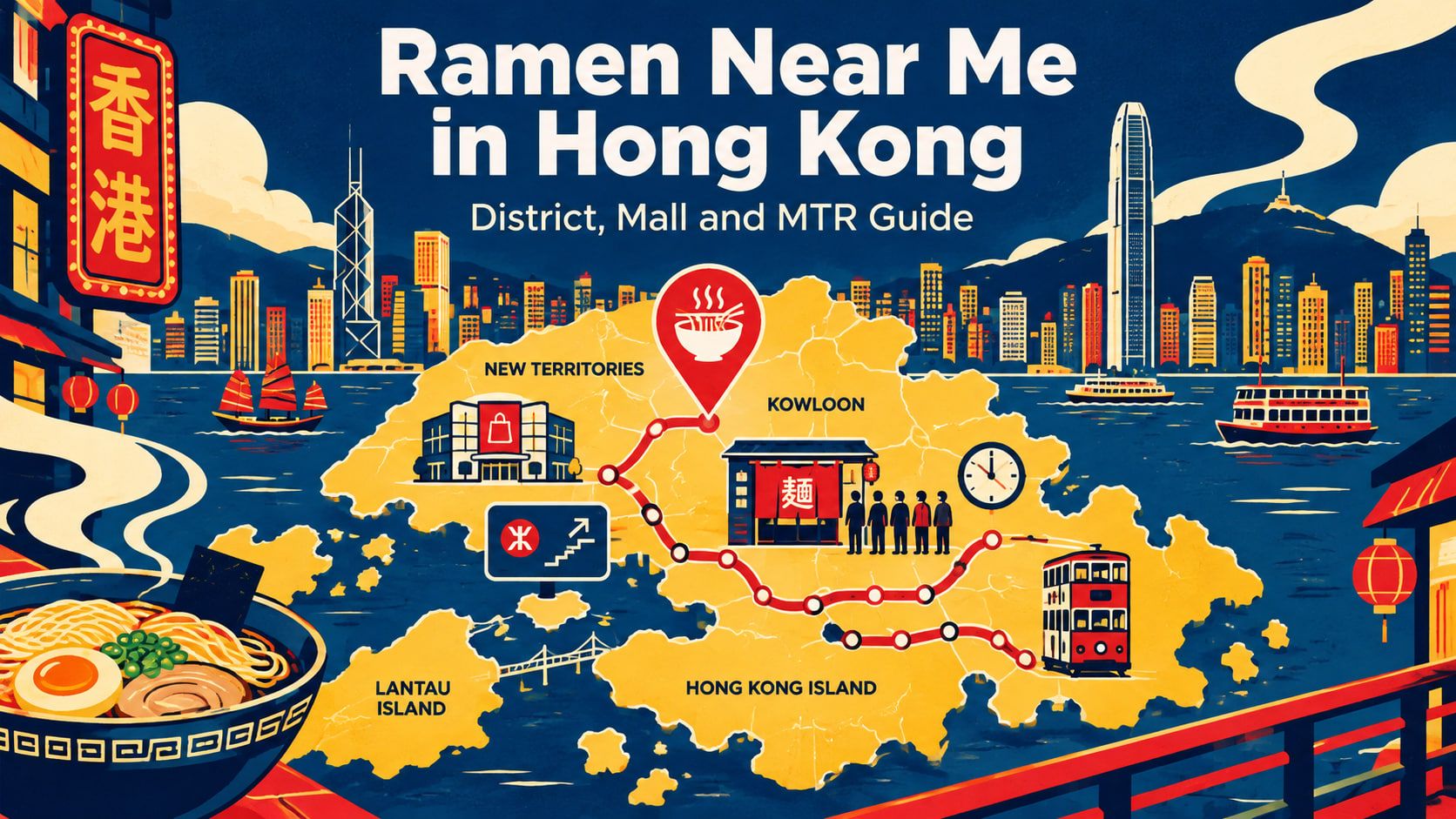
Use this location-first guide to choose an area, plan around an MTR exit and avoid arriving at a closed or over-queued ramen shop.

Choose ramen according to the moment: late shift, tight budget, solo lunch, family outing or rainy-night delivery.

Understand why ramen is eaten fast, slurped loudly, ordered by ticket and discussed with Japanese vocabulary.
Plan ramen in Causeway Bay through location checks, MTR access and practical decisions about timing and queues.
Plan a Central ramen meal around your route, available time and the operator details to confirm before travelling.
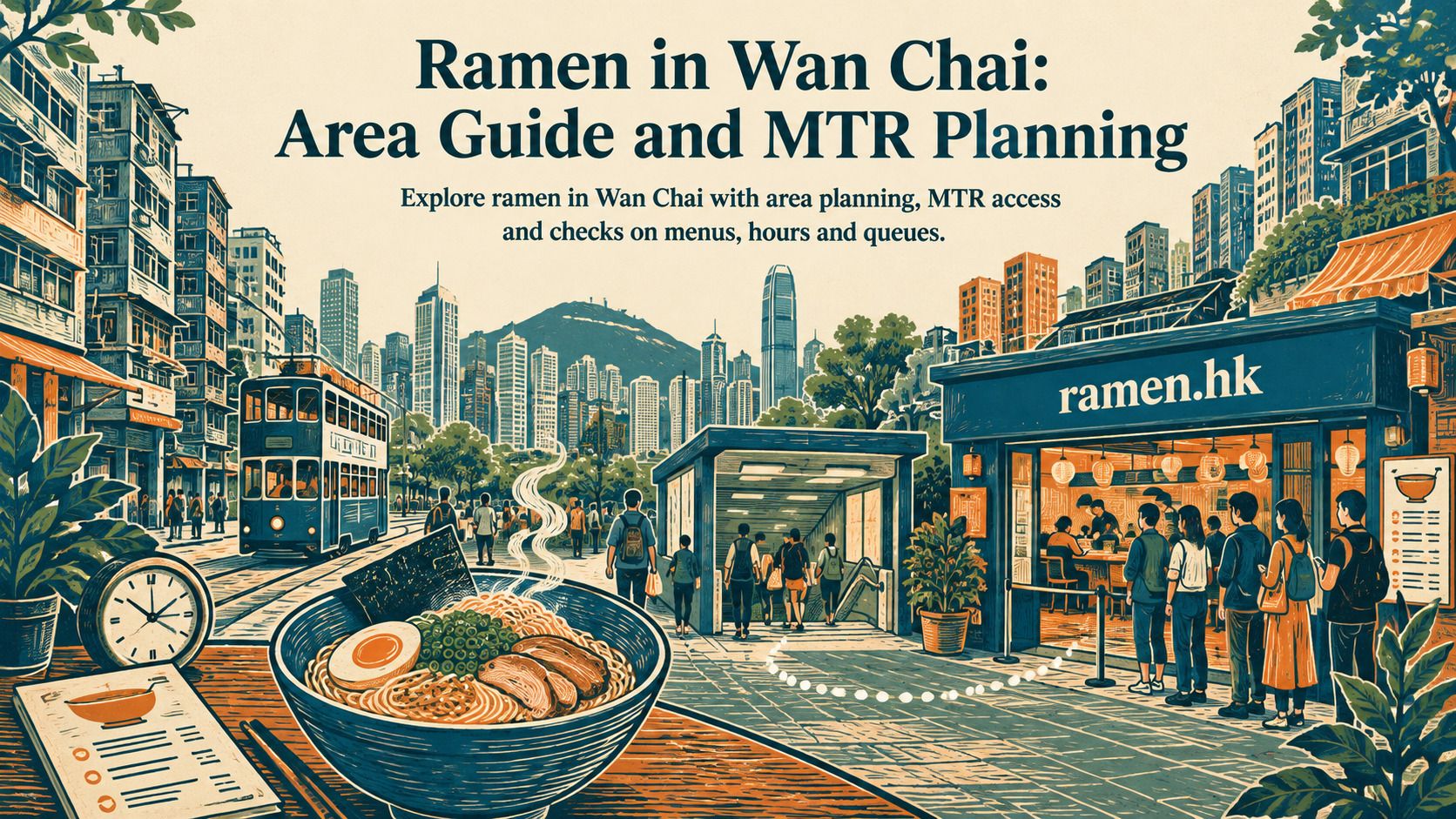
Explore ramen in Wan Chai with area planning, MTR access and checks on menus, hours and queues.
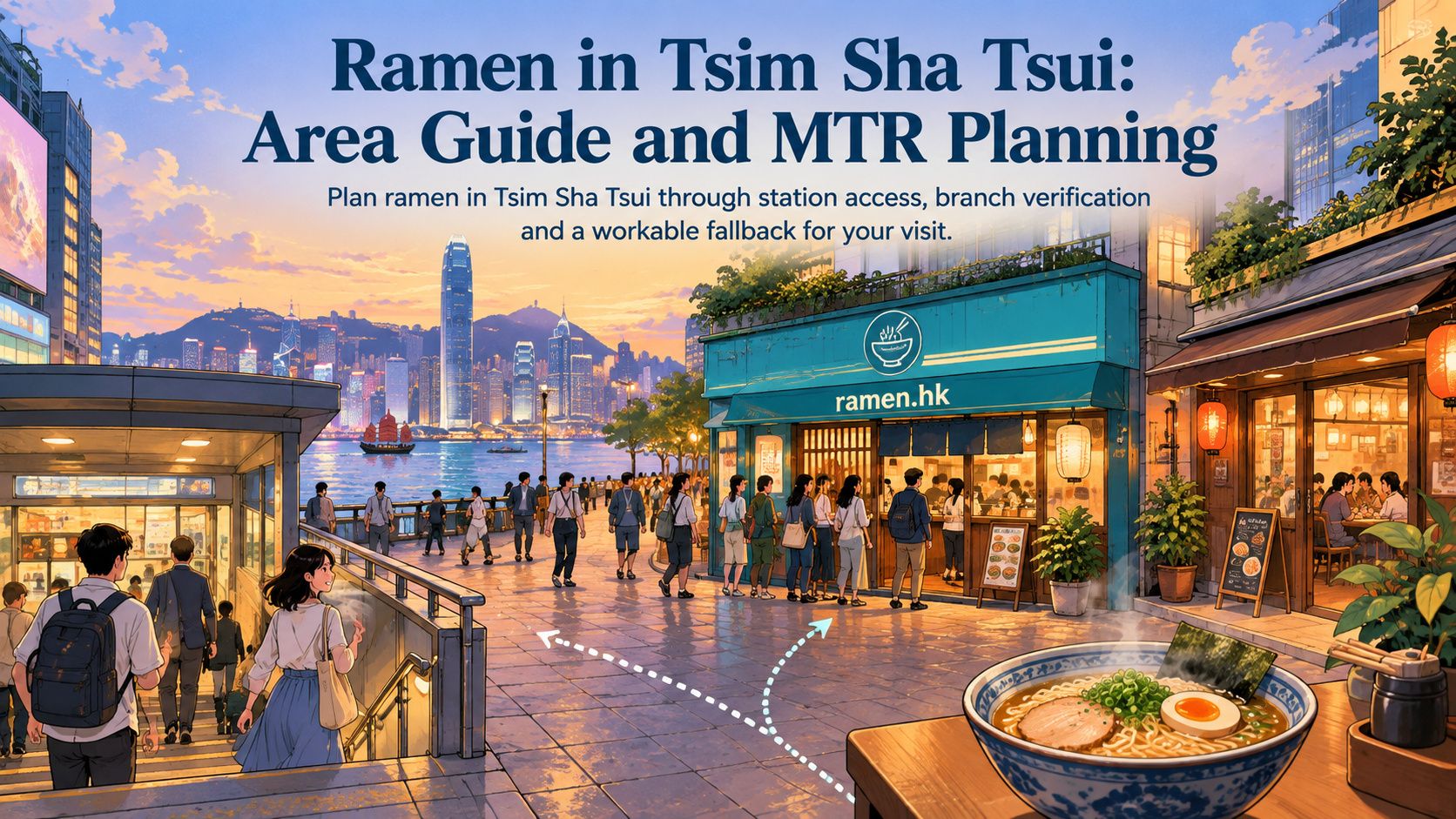
Plan ramen in Tsim Sha Tsui through station access, branch verification and a workable fallback for your visit.
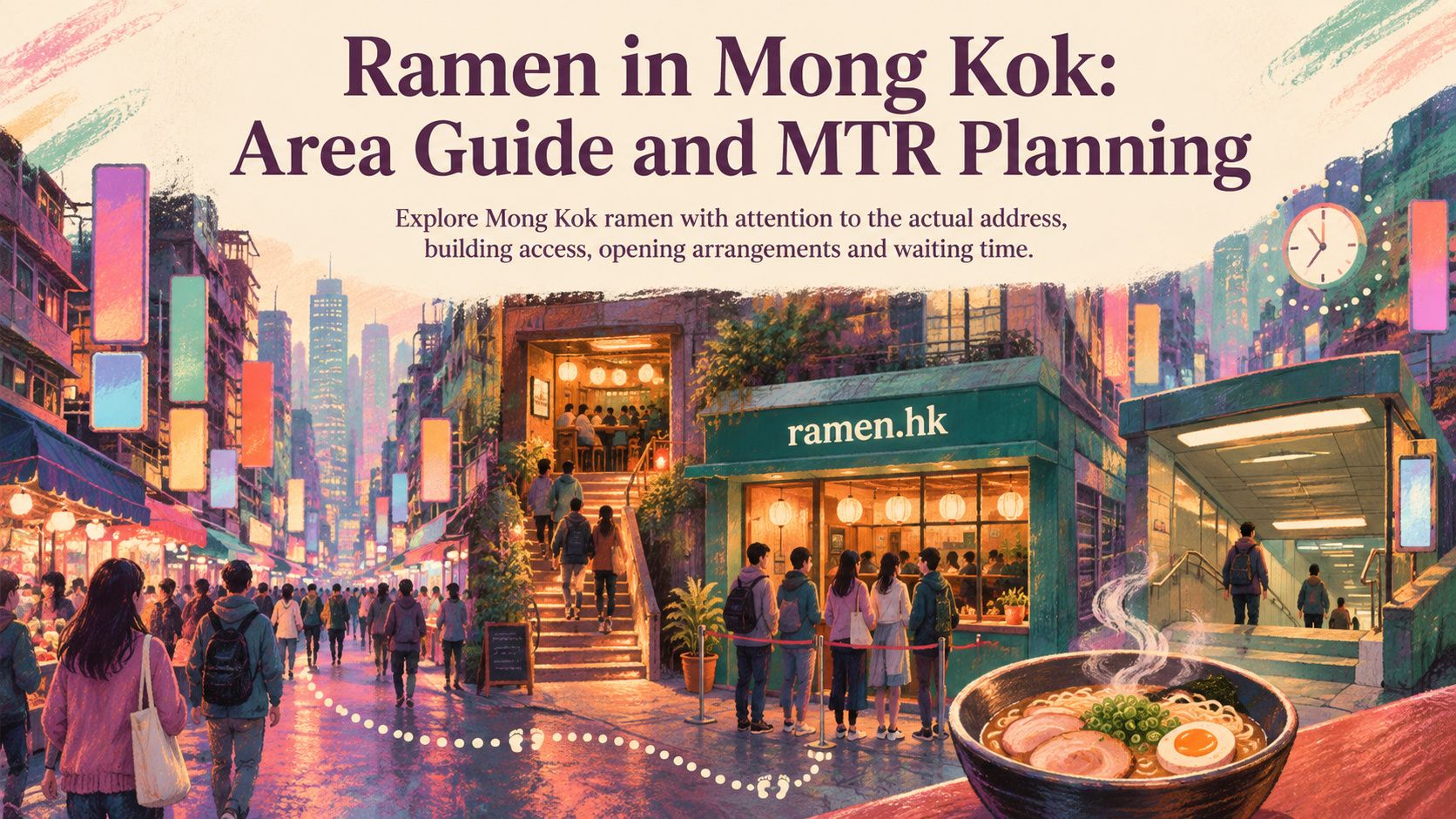
Explore Mong Kok ramen with attention to the actual address, building access, opening arrangements and waiting time.
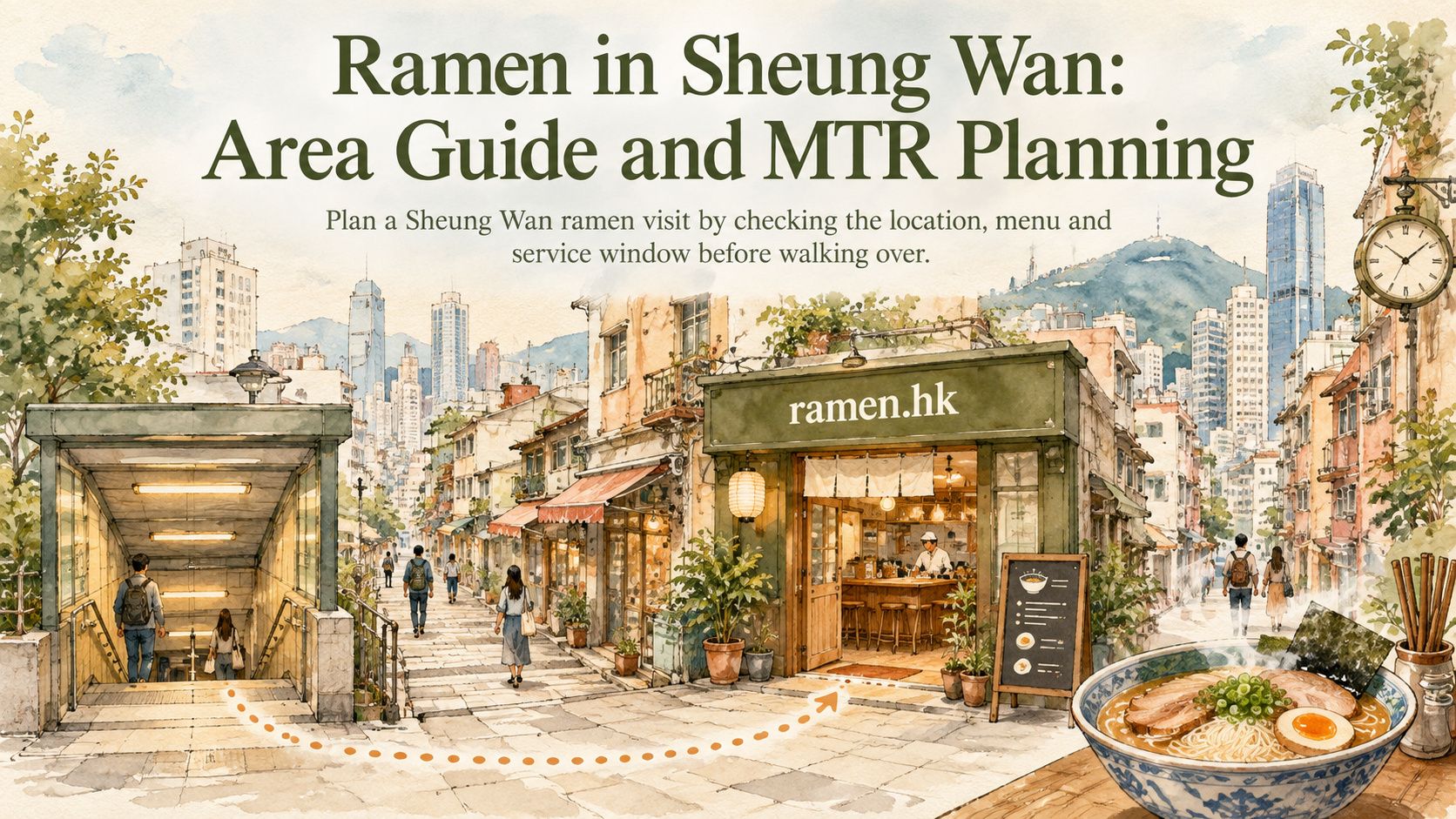
Plan a Sheung Wan ramen visit by checking the location, menu and service window before walking over.