
Tokyo Ramen Street: What to Know Before You Go
Plan Tokyo Ramen Street around the current shop directory, ordering arrangements and the time needed for your next train.
Tokyo Ramen Street: What to Know Before You Go
Tokyo Ramen Street is a compact cluster of specialist ramen shops inside First Avenue Tokyo Station on the Yaesu-side basement level, designed for travellers who want a bowl without leaving the station complex. It is a practical transit stop rather than a single restaurant: each shop has its own ticket machine, menu, opening hours and last order, so the official Tokyo Ramen Street page is the only reliable current list. The convenience is real; so are the queues at peak travel times.
This page is for Hong Kong travellers changing trains, arriving from Narita or leaving on the Shinkansen. It sits under ramen travel in Japan and links up to ramen in Tokyo for district planning. It is not a ranking of the shops.
The station rule. Allow more time than the queue alone suggests: finding the Yaesu-side underground mall inside Tokyo Station can take ten to fifteen minutes from a distant platform, then each shop has its own ticket and seating process.
📍 1. Where it is
Tokyo Ramen Street is in First Avenue Tokyo Station, an underground retail area on the Yaesu side of Tokyo Station in Marunouchi, Chiyoda. Follow signs for Yaesu Exit and Tokyo Station Ichibangai / First Avenue rather than looking for a street at ground level. The official English site describes the area as a place where Tokyo favourites and regional ramen shops are gathered in the station.
🍜 2. What is there
The line-up is curated and changes. It has included shops specialising in tsukemen, shoyu, shio, tonkotsu, miso, niboshi and vegan-friendly styles at different times, plus limited-time pop-ups. The official page advertised a limited-time programme from 6 August to 23 November 2026 at the time of research, which illustrates why a fixed list becomes stale. Use the live official list, then decide by style, dietary needs and queue rather than by an old guide's ranking.
Read the style primers before you arrive: tsukemen, shoyu ramen, shio ramen, tonkotsu ramen and miso ramen.
🎟️ 3. Tickets, cash and ordering
Most shops use a vending machine outside or inside the entrance. Choose and pay first, take the ticket, then queue or hand it to staff as directed. Payment methods differ: carry yen even if the station elsewhere accepts cards and IC transit payment. Some machines have English or pictures, but not all. The step-by-step guide is how to use a ramen ticket machine and the words are on Japanese ramen vocabulary.
⏰ 4. Timing and queues
Third-party guides report core hours around 10:00 to 23:00 for many shops, with some opening for breakfast and most taking last orders before closing. Those are patterns, not current operating facts: individual times vary, holidays and limited pop-ups change the schedule, and a shop can sell out. Official-hours-first is the right policy. Avoid the usual 12:00–13:30 and 18:00–20:30 peaks if your train allows; early morning at a breakfast-opening shop or mid-afternoon is often calmer, never guaranteed.
🧳 5. Luggage and travel logistics
- Use a station locker or luggage service before joining a narrow queue; suitcases obstruct counters and passageways.
- If you have a Shinkansen or airport train, leave enough buffer for navigation, payment and a possible queue.
- Do not assume your platform is close to Yaesu; Tokyo Station is large and platform-to-mall routes involve stairs, escalators and underground corridors.
- Groups may wait longer than solo diners because counters open one seat at a time.
- For the etiquette side, see ramen etiquette.
🥣 6. Diet and health checks
Ramen Street is not a controlled-allergen food hall. Ask each shop about wheat, egg, soya, sesame, fish and shellfish before buying a ticket, because ticket sales may be final. Vegan or vegetable-labelled bowls still need a broth, tare and oil check. Use ramen allergens and the vegan ramen checklist as the questions to ask. If sodium matters, leave most of the soup; the evidence is on ramen sodium.
Do not plan a connection around a specific bowl. Tokyo Ramen Street is convenient, but queues, sell-outs, ticket-machine issues and station navigation can all take longer than expected. Do not risk a Shinkansen, airport train or last connection. Keep a station-concourse backup and check current shop hours and last orders on the official page.
❓ 7. FAQ
Is Tokyo Ramen Street inside Tokyo Station? Yes. It is in First Avenue Tokyo Station, an underground shopping area on the Yaesu side.
How many ramen shops are there? The number and line-up change with permanent changes and pop-ups. Check the official live directory.
Do I need a reservation? Usually no; most are walk-in with ticket machines, but individual shop rules can change. Check the official listing.
Can I use a credit card? Some shops may accept cards or IC payment, but ticket machines differ. Carry cash yen.
Is there a vegan or gluten-free option? Occasionally a vegetable or vegan-style bowl appears, but cross-contact and ingredients vary. Ask each shop before buying a ticket.
best ramen Tokyo best ramen Osaka Fukuoka ramen Sapporo ramen Tokyo Ramen Street Ichiran Tokyo ramen tour Japan Cup Noodles Museum Yokohama Ramen Museum ramen souvenirs Japan
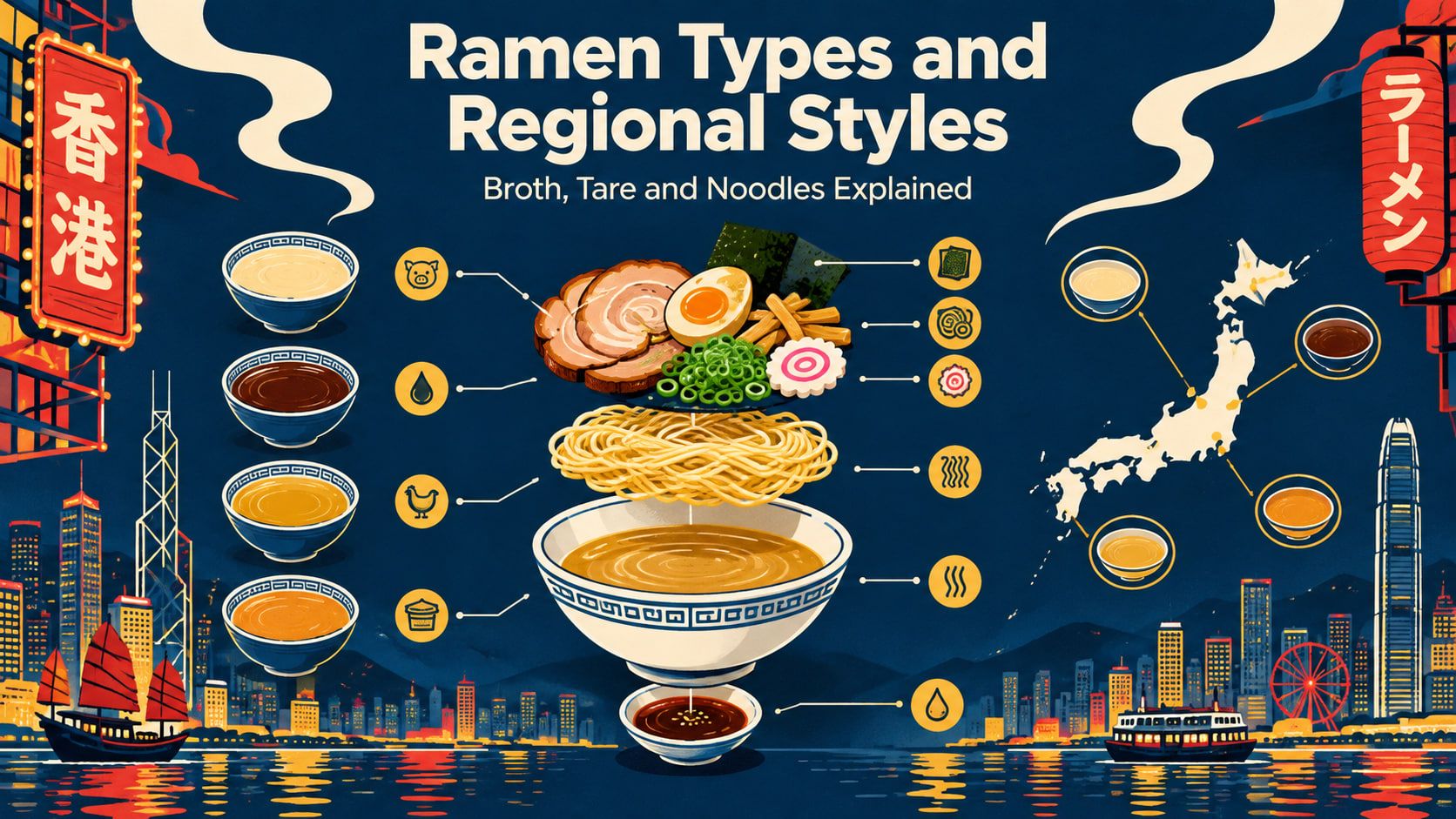
Learn to read any ramen menu confidently by understanding broth, tare, noodle texture, toppings and regional Japanese origins.

Plan a Japan ramen trip with city-specific styles, queues, museums and practical travel details.
Understand tonkotsu ramen through pork-bone broth, noodle options and the recipe details to ask about.
Explore shoyu ramen through soy-based seasoning, broth variations and the menu terms that help you choose.
Understand shio ramen through salt-based seasoning and broth choices without mistaking a clear appearance for low sodium.
Explore miso ramen through seasoning, noodle pairings and regional context before ordering or cooking it.
Understand tsukemen through its separate noodles and dipping broth, serving options and eating sequence.
Explore mazesoba through sauce, noodles and toppings, with practical guidance on mixing and ordering.
Understand abura soba through its soupless format, seasoning and the distinctions to check against mazesoba.
Explore tantanmen through sesame, chilli, recipe variations and the ingredient questions to ask before ordering.